
Hi, I am Dani Kouyaté
Born in 1961 in Bobo-Dioulasso, Burkina Faso, Dani grew up in a family of griots, the keepers of memory and the spoken word in West Africa. That's where it all began: this deep passion for stories, those we tell and those we film. Dani's academic journey first led him to the ”Institut Africain d'Education Cinématographique” in Ouagadougou where he earned a ”Licence de Cinéma”, then to Paris where he obtained a ”Maîtrise d'Animation Culturelle et Sociale” at La Sorbonne, as well as a ”Diplôme d'Études Approfondies” (DEA) in Film Aesthetics at Université Paris 8 Vincennes Saint-Denis. Dani Kouyaté also graduated from the ”École Internationale d'Anthropologie de Paris”. After several years in France, he settled in Sweden in 2007.
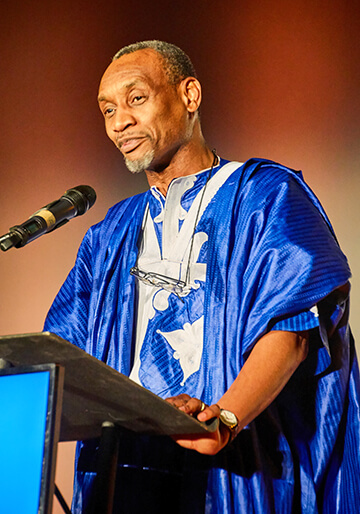
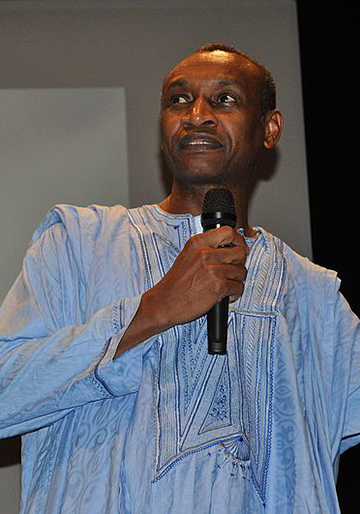
Portraits of Dani Kouyaté


Between 1990 and 1996, Dani toured Europe and America with ”La Voix du Griot”, a family show created by his father Sotigui Kouyaté. An experience that profoundly shaped him, both artistically and humanly.
On the cinema front, the adventure began in 1989 with the short film ”Bilakoro”, co-directed with his friends Sékou Traoré and Issa Traoré de Brahima. Three years later, in 1992, they founded the production company ”Sahélis Productions” together, joined by Abdoulaye Dao and Lacina Ouédraogo. After three short films, Dani directed ”Kéita! L'Héritage du Griot” in 1995, his first feature film which received the prize for best first work at Fespaco, the ”Grand Prix Cannes Junior”, as well as numerous awards at international festivals.
In 1999, he worked on several episodes of the Burkinabé series ”À nous la vie”, before embarking in 2000 on ”Sia, le rêve du python”, his second feature film. This film, carried by his father Sotigui in the complex role of Army Chief Wakhané Sakho, explores the connections between power, myths, and madness through a story rooted in Africa's mythical past, while casting a universal gaze on our contemporary world.
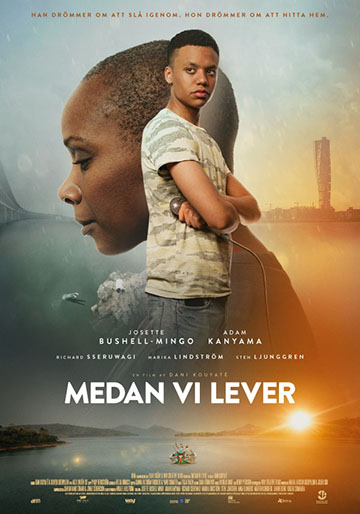
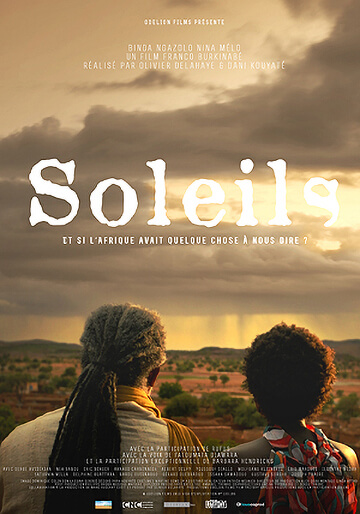
There followed ”Ouaga Saga” in 2005, an urban comedy with teenagers from Ouagadougou, then ”Soleils” in 2013, co-directed with Olivier Delahaye, a philosophical road movie about African traditions and the complex relationship between Africa and Europe. His first Swedish film ”Medan vi lever” (As Long as We Live) was released in 2016 and examines the question of identity in our globalized world.
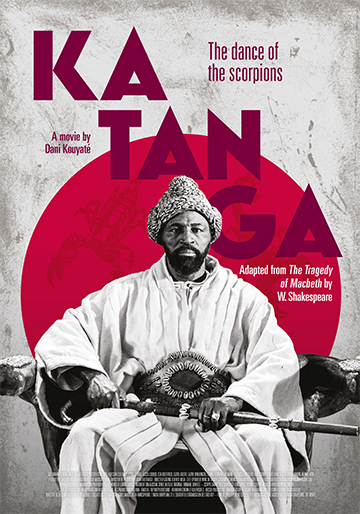
His most recent feature film, ”Katanga – La Danse des Scorpions” (Katanga - The Dance of the Scorpions), released in cinemas in February 2025, is an African adaptation of William Shakespeare’s ”The Tragedy of Macbeth”. The film has received widespread critical acclaim and numerous awards, including six distinctions at the 2025 Festival panafricain du cinéma et de la télévision de Ouagadougou (FESPACO), among them the prestigious Étalon d’Or de Yennenga. It also won four awards at the 2025 African Movie Academy Awards (AMAA) in Lagos, Nigeria, and was honoured at several international festivals, notably the Festival International du Film Francophone, the Festival Cinéma et Migration in Agadir (Morocco), and 7 Jours du 7e Art in Conakry (Guinea).
Alongside his work as a filmmaker, theater director, and actor, Dani shares his experience as a lecturer at Uppsala University in the Department of Cultural Anthropology and Ethnology, as well as at Wiks Folkhögskola in Uppsala, in the film and theater department.
Première citation de Amadou Hampâté Bâ
«Tout ce qui est, enseigne en une parole muette. La forme est langage, l'être est langage, tout est langage.»
Works and Activities
Wide-ranging experience across numerous fields.
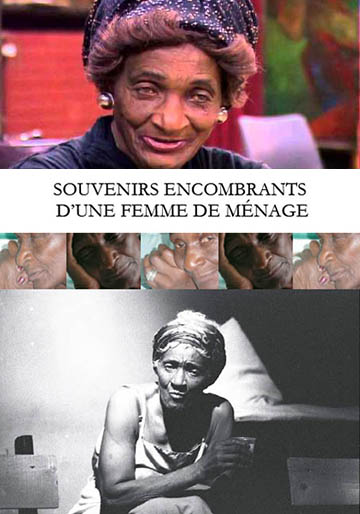
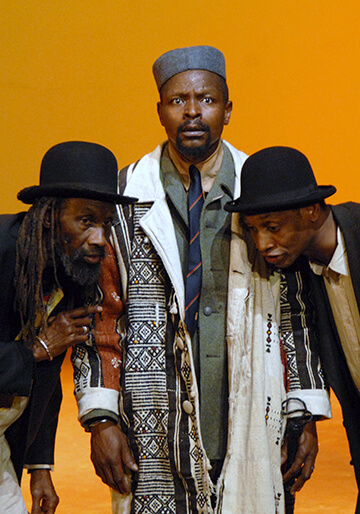
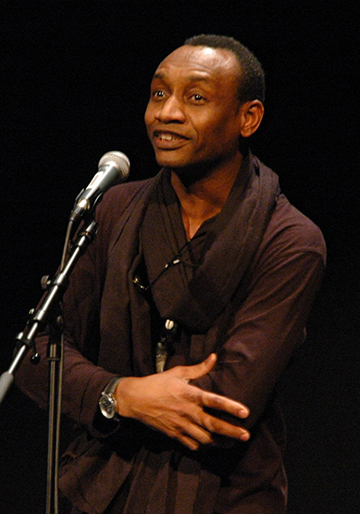
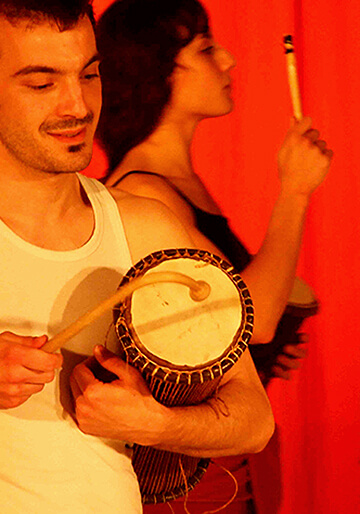
List of works
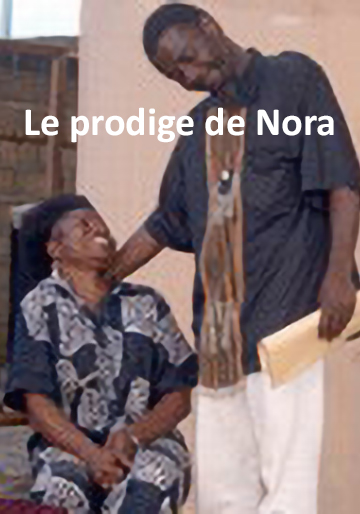
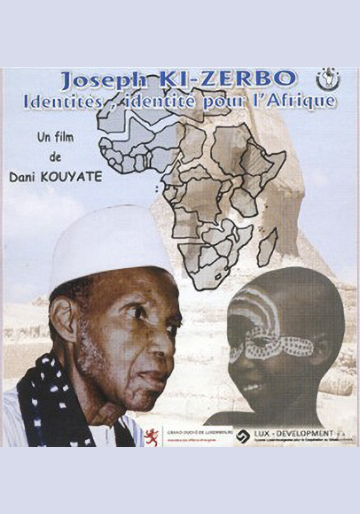
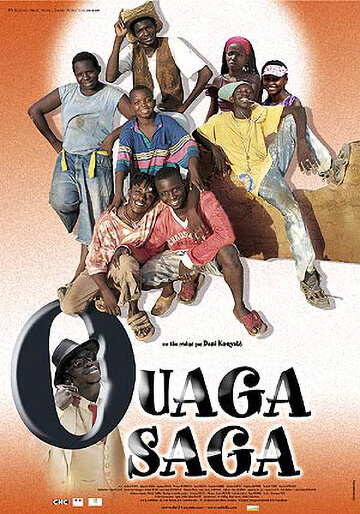
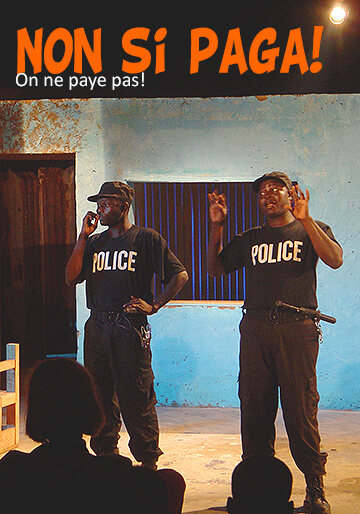

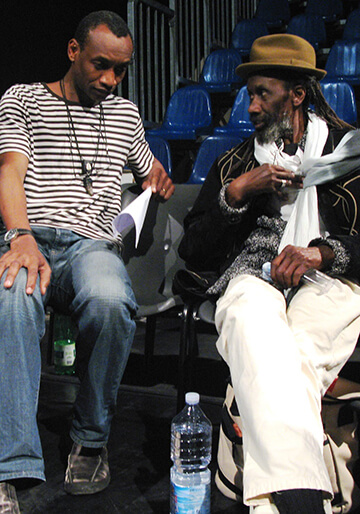
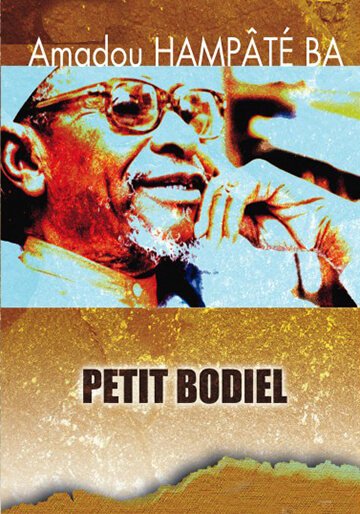
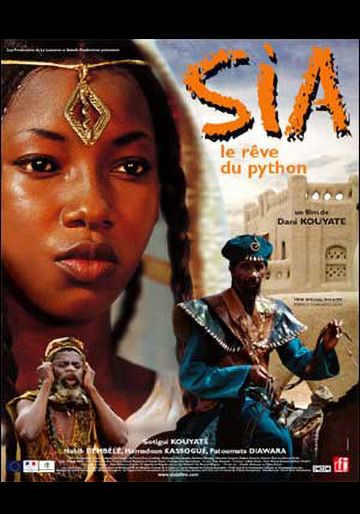
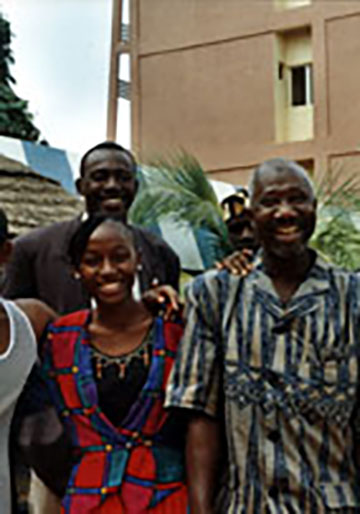
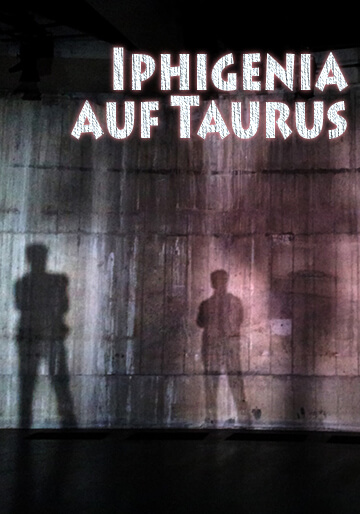
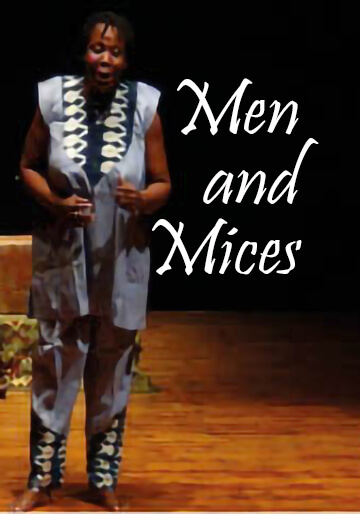
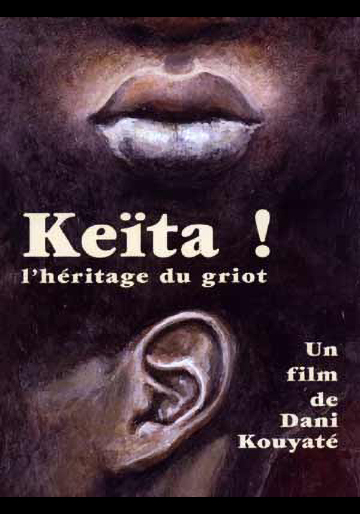
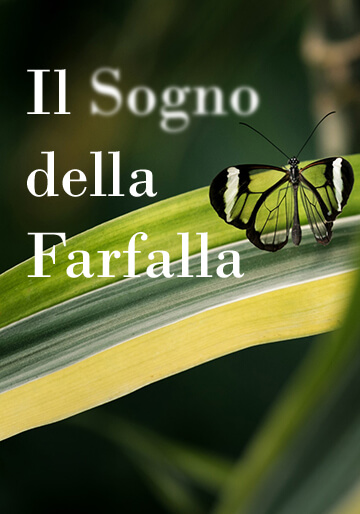
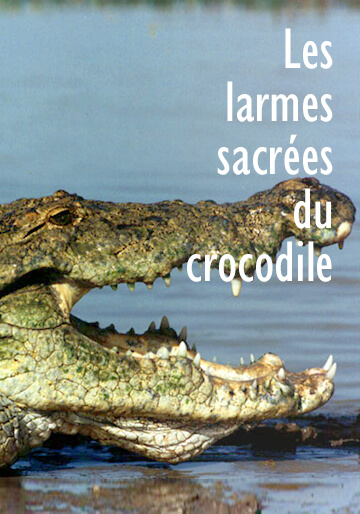
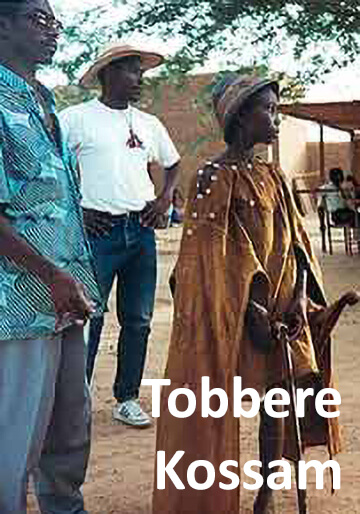
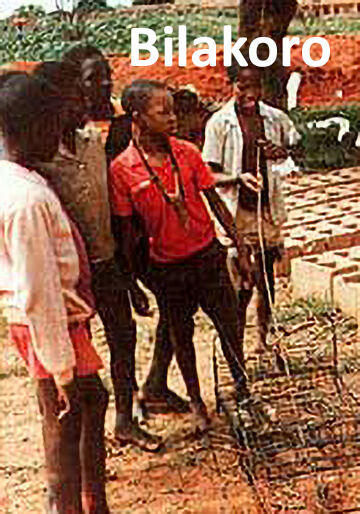
Une citation de Sotigui Kouyaté
«Je suis guinéen d'origine, malien de naissance et burkinabè d'adoption. Je ne suis passé par aucune école de théâtre, si ce n'est la grande école de la rue, de la vie».
Press Material
High-resolution photos for editorial use – suitable for event programmes, press articles and interviews.
Click on an image for an enlarged preview. The original high-resolution files (for print and web) can be downloaded via the download button as a ZIP archive.

Portrait by
Odile Motelet, 2025
Location:
Île d'Oléron,
Credit:
Odile Motelet
Licence:
Editorial use (CC BY-ND)
File:
JPG, 1100×1650 px (3.5 MB)

Portrait by
Alexander Gonschior
Location:
Tübingen,
Credit:
Alexander Gonschior
Licence:
Editorial use (CC BY-ND)
File:
JPG, 1100×1650 px (1.3 MB)

Portrait by
Cathy Chamorey
Location:
Île d'Oléron,
Credit:
Cathy Chamorey
Licence:
Editorial use (CC BY-ND)
File:
JPG, 4705×7050 px (19.5 MB)

Portrait at
FIFF Namur 2025
Location:
Namur, FIFF 2025,
Credit:
Photographer unknown
Licence:
Editorial use (CC BY-ND)
File:
JPG, 1100×1650 px (1.5 MB)

Portrait by
Odile Motelet, 2017
Location:
Île d'Oléron,
Credit:
Odile Motelet
Licence:
Editorial use (CC BY-ND)
File:
JPG, 4000×6000 px (20.1 MB)

Portrait by
Susanne Walström
Location:
Uppsala,
Credit:
Susanne Walström
Licence:
Editorial use (CC BY-ND)
File:
JPG, 1100×1650 px (1.1 MB)

Portrait by
James Holm
Location:
Uppsala,
Credit:
James Holm
Licence:
Editorial use (CC BY-ND)
File:
JPG, 2667×4000 px (14.8 MB)
Deuxième citation de Amadou Hampâté Bâ
«En Afrique quand un vieillard meurt, c'est une bibliothèque qui brûle».